
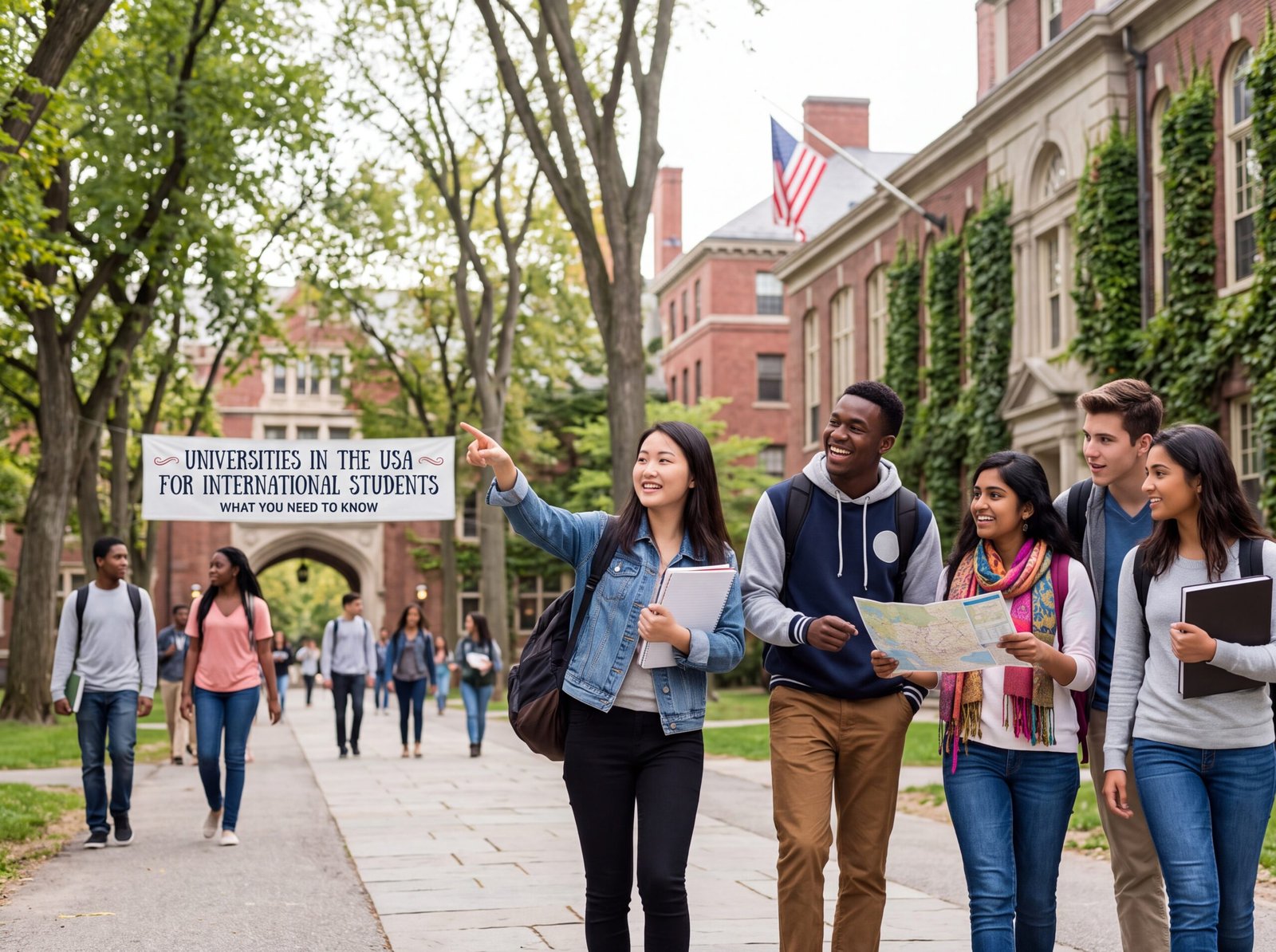
The United States remains one of the top destinations for international students, hosting hundreds of thousands of learners from around the world every year. With its diverse academic offerings, flexible program structures, and strong post-graduation career opportunities, it’s no surprise that so many students dream of studying in America. However, choosing the right university and understanding the admissions landscape can feel overwhelming without proper guidance. This article breaks down what international students should know before applying to universities in the USA.
Why International Students Choose the USA
American universities are known for their academic flexibility, allowing students to explore multiple subjects before declaring a major, which is a stark contrast to the more rigid, specialized systems found in many other countries. The sheer variety of institutions, from small liberal arts colleges to massive research universities, means there is likely a good fit for almost any student’s learning style and career goals. In addition, many U.S. universities have strong industry connections, offering internships, co-op programs, and career services that help international graduates transition into the workforce.
Types of Institutions to Consider
Public Universities
Public universities are funded partly by state governments and tend to offer lower tuition rates for in-state residents, though international students typically pay the same rate as out-of-state domestic students. These institutions often have large student populations and extensive resources, including research facilities, sports programs, and a wide range of majors.
Private Universities
Private universities operate independently of state funding and often have smaller class sizes and more personalized attention from faculty. While tuition at private institutions can be higher, many offer substantial scholarships and financial aid packages that can make the net cost comparable to or even lower than public universities.
Community Colleges
Community colleges provide an affordable entry point into the American education system. Many international students complete their first two years of general education requirements at a community college before transferring to a four-year university, significantly reducing overall tuition costs while still earning a degree from a well-known institution.
Understanding the Admissions Process
Standardized Testing Requirements
Many universities require standardized test scores such as the SAT or ACT for undergraduate admission, along with English proficiency exams like the TOEFL or IELTS for students whose first language is not English. Graduate programs often require the GRE or GMAT, depending on the field of study. It’s worth noting that a growing number of universities have adopted test-optional policies, so it’s important to check each school’s specific requirements rather than assuming they all follow the same rules.
Application Timelines
The American admissions cycle typically runs on either an “Early Decision,” “Early Action,” or “Regular Decision” timeline for undergraduate programs, with deadlines usually falling between November and January for fall enrollment. Graduate program deadlines vary widely by department and can be as early as December for programs starting the following August. International students should plan to begin their applications at least a year in advance to allow time for testing, essay writing, and gathering required documents.
Required Documents
Most applications require academic transcripts translated into English, letters of recommendation, a personal statement or essay, financial documentation proving the ability to cover tuition and living expenses, and standardized test scores. Some programs also request a resume or portfolio, particularly for graduate applications in fields like design, architecture, or business.
Financing Your Education
Scholarships and Financial Aid
While federal financial aid is generally not available to international students, many universities offer merit-based scholarships specifically for international applicants. Some institutions also provide need-based aid, though this is less common and more competitive. Researching each university’s international student aid policy early in the process can significantly influence which schools you choose to apply to.
On-Campus Work Opportunities
International students on an F-1 visa are permitted to work on campus for up to twenty hours per week during the academic year, which can help offset living expenses. After completing a degree, many students become eligible for Optional Practical Training, allowing them to work in their field of study in the United States for a limited period after graduation.
Choosing the Right Location
The USA is a vast country, and the cost of living, climate, and campus culture can vary dramatically between regions. Coastal cities on the East and West coasts tend to have a higher cost of living but often provide better access to internships in major industries like finance, technology, and entertainment. Meanwhile, universities in the Midwest and South often have a lower cost of living, making them attractive options for students on a tighter budget.
Life as an International Student
Adjusting to a new academic system and culture takes time, and most universities have dedicated international student offices to help with the transition. These offices typically assist with visa paperwork, housing arrangements, and cultural adjustment programs. Joining student organizations and cultural clubs can also make a significant difference in building a support network and easing homesickness during the first year.
Post-Graduation Opportunities
One of the biggest draws for international students is the potential to gain valuable work experience in the United States after graduation. Optional Practical Training allows most graduates to work for up to twelve months in their field, with an extension available for students in STEM fields. Some graduates eventually transition to longer-term work visas, opening the door to a lasting career in the country.
Frequently Asked Questions
Do I need the SAT or ACT to apply to a US university as an international student? It depends on the school. Many universities have moved to test-optional policies, but some still require or recommend standardized test scores, so always check each institution’s current admissions page directly.
Can international students get financial aid at US universities? Federal aid is generally unavailable to international students, but many universities offer their own merit-based or need-based scholarships specifically for international applicants.
How much does it cost to study at a US university as an international student? Costs vary widely, from around fifteen thousand dollars a year at public universities to well over fifty thousand dollars at private institutions, not including living expenses.
Can I work while studying in the USA on a student visa? Yes, F-1 visa holders can generally work up to twenty hours per week on campus during the academic year, and full-time during official school breaks.
What is Optional Practical Training (OPT)? OPT allows international graduates to work in the United States in a job related to their field of study for up to twelve months after graduation, with an extension available for STEM graduates.
Final Thoughts
Studying at a university in the United States offers international students access to world-class academic resources, a diverse cultural experience, and strong career prospects. Success in this journey depends heavily on early planning, thorough research into each institution’s requirements and funding options, and a realistic understanding of the costs involved. With the right preparation, an American education can open doors that last a lifetime.